The baking soda vinegar balloon experiment is a classic science activity that has been delighting kids and adults alike for years. It’s a simple yet impressive demonstration of chemical reactions and pressure build-up, making it an excellent teaching tool for educators and a fun project for parents to do with their children. The experiment involves mixing baking soda and vinegar to produce carbon dioxide gas, which then inflates a balloon. This reaction is not only mesmerizing to watch but also provides a great opportunity to learn about chemistry and the natural world.
One of the best ways to make this experiment more engaging and educational is by using a printable worksheet. These worksheets can guide students through the experiment, providing space for observations, hypotheses, and conclusions. They can also include additional information about the science behind the experiment, making it a valuable resource for learning. By combining hands-on activity with structured observation and reflection, students can gain a deeper understanding of the concepts involved and develop their scientific thinking skills.
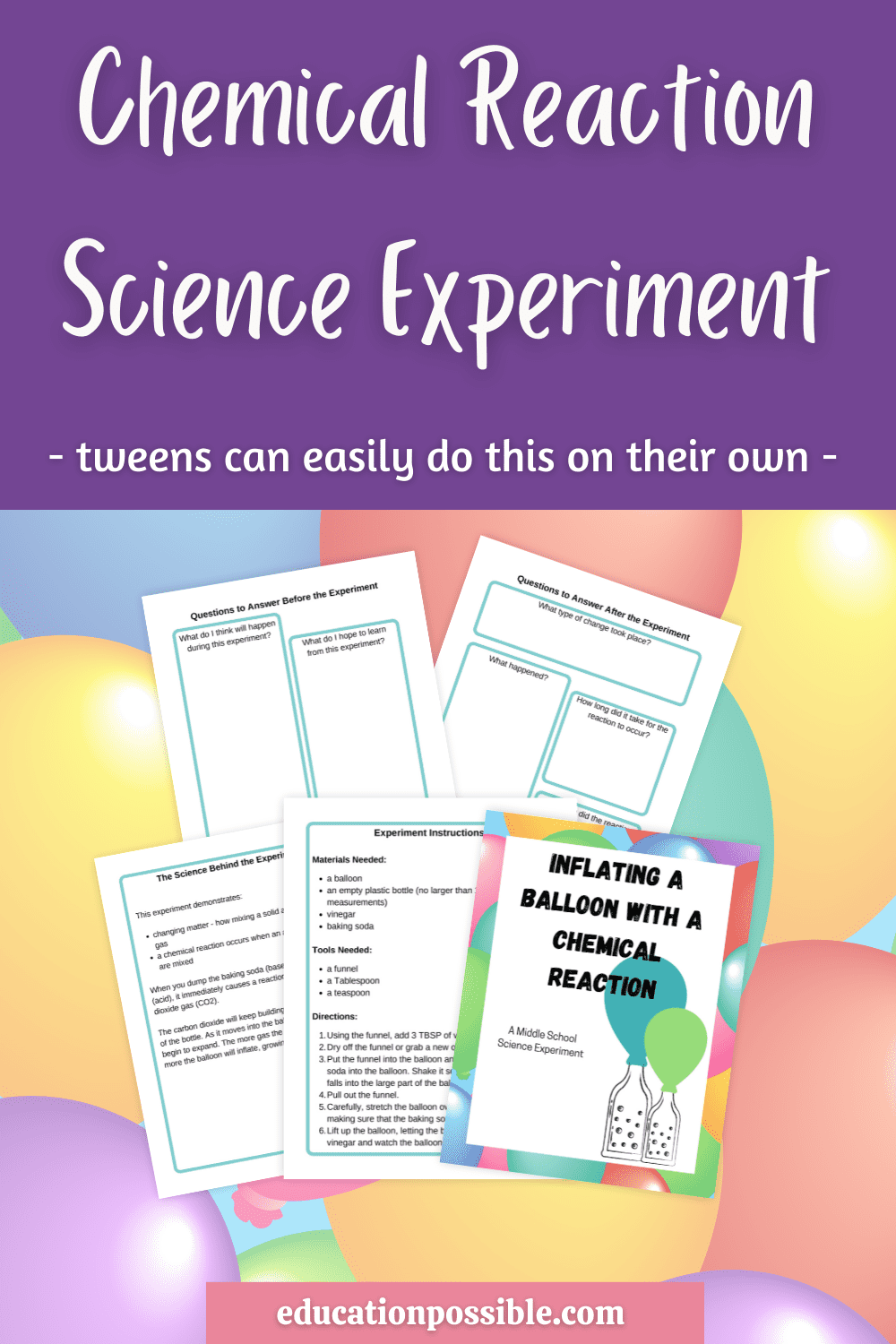
Baking Soda And Vinegar Balloon Experiment Education Possible
What is the Baking Soda Vinegar Balloon Experiment?
The baking soda vinegar balloon experiment is based on a chemical reaction between sodium bicarbonate (baking soda) and acetic acid (vinegar), which produces carbon dioxide gas. When the two substances are mixed, they react to form water, salt, and carbon dioxide. The carbon dioxide gas produced in this reaction gets trapped inside the balloon, causing it to inflate. This experiment is a great way to illustrate chemical reactions, gas production, and pressure build-up in a fun and accessible way.
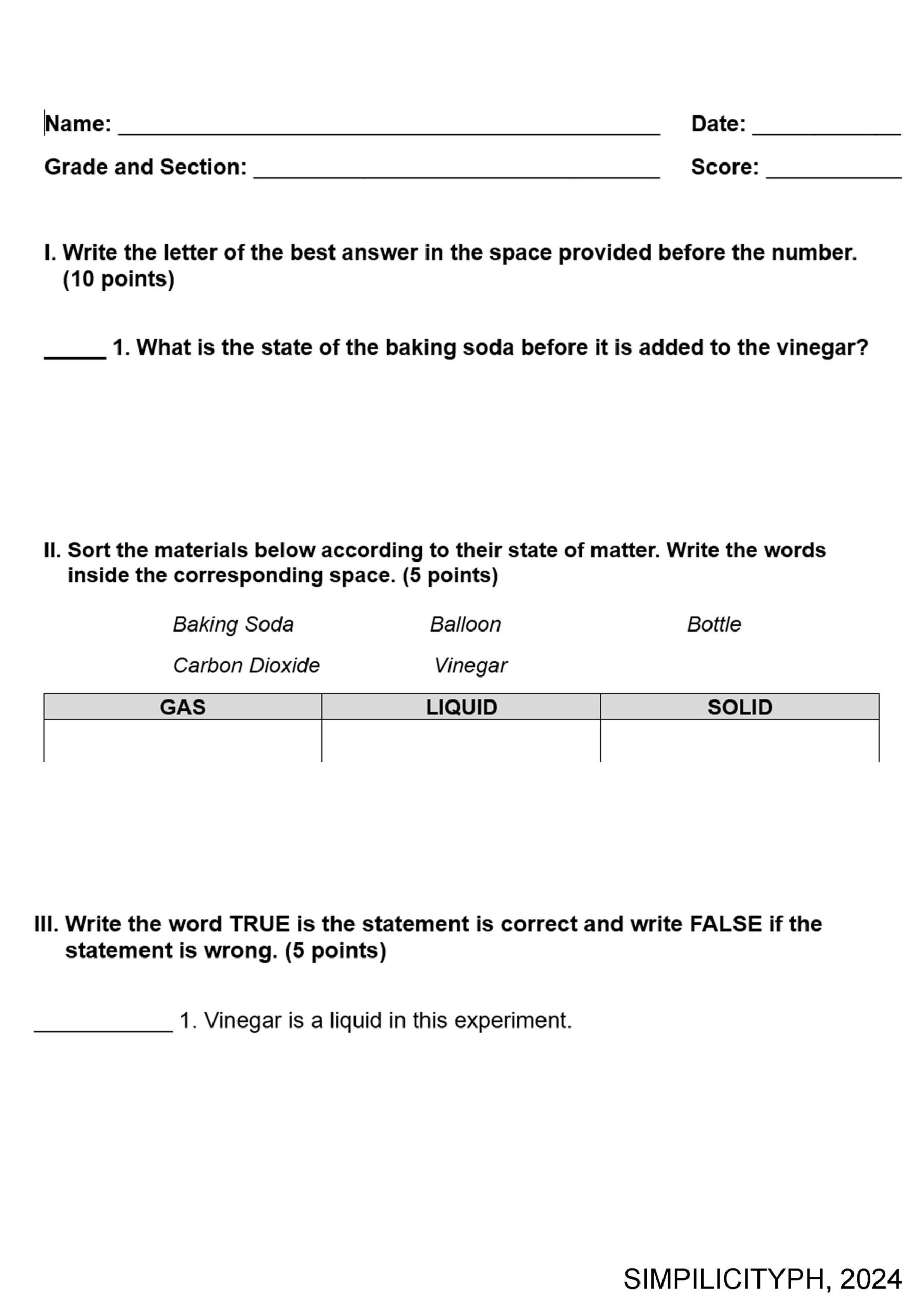
States Of Matter Science Experiment Worksheet Fun Easy Balloon Bottle Baking Soda And Vinegar Activity For Kids Etsy
How to Conduct the Experiment with a Printable Worksheet
To conduct the experiment with a printable worksheet, start by gathering the necessary materials, including baking soda, vinegar, balloons, and the worksheet itself. The worksheet should provide a step-by-step guide to the experiment, along with sections for recording observations and drawing conclusions. Follow the instructions on the worksheet, and as you conduct the experiment, fill in the relevant sections. This will help you stay organized and ensure that you don’t miss any important steps or observations. The worksheet can also include questions or prompts to encourage further thinking and exploration.
Tips and Variations for a Successful Experiment
For a successful experiment, it’s essential to follow the instructions carefully and use the right materials. Make sure the baking soda and vinegar are fresh and of good quality, as this can affect the reaction. Also, use balloons that are strong enough to withstand the pressure of the inflating gas. To add some variety to the experiment, you can try using different sizes or shapes of balloons, or even adding a few drops of food coloring to the vinegar for a colorful effect. These variations can help keep the experiment interesting and engaging, especially if you’re repeating it with different groups of students or children.
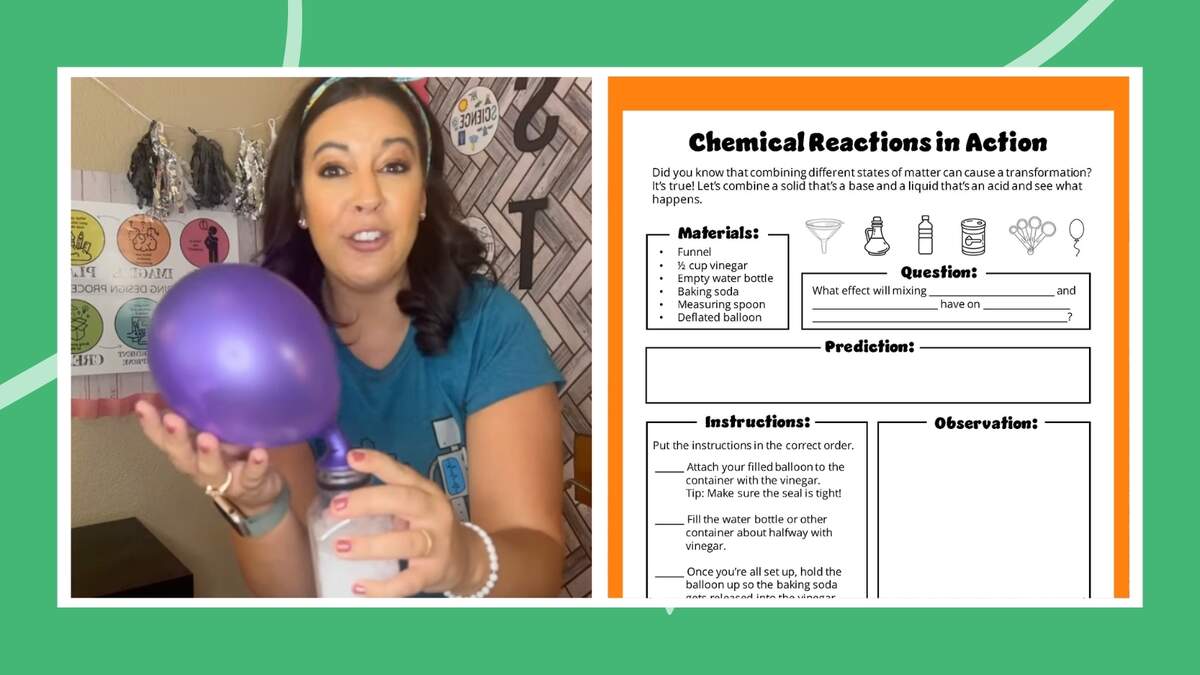
Baking Soda And Vinegar Balloon Experiment With Free Worksheet
In conclusion, the baking soda vinegar balloon experiment is a fun, educational, and easy-to-conduct activity that can be enhanced with a printable worksheet. By providing a structured approach to the experiment, these worksheets can help students learn about chemical reactions, gas production, and pressure build-up, while also developing their scientific thinking and observation skills. Whether you’re an educator looking for a engaging science activity or a parent seeking a fun project to do with your kids, the baking soda vinegar balloon experiment with a printable worksheet is an excellent choice.
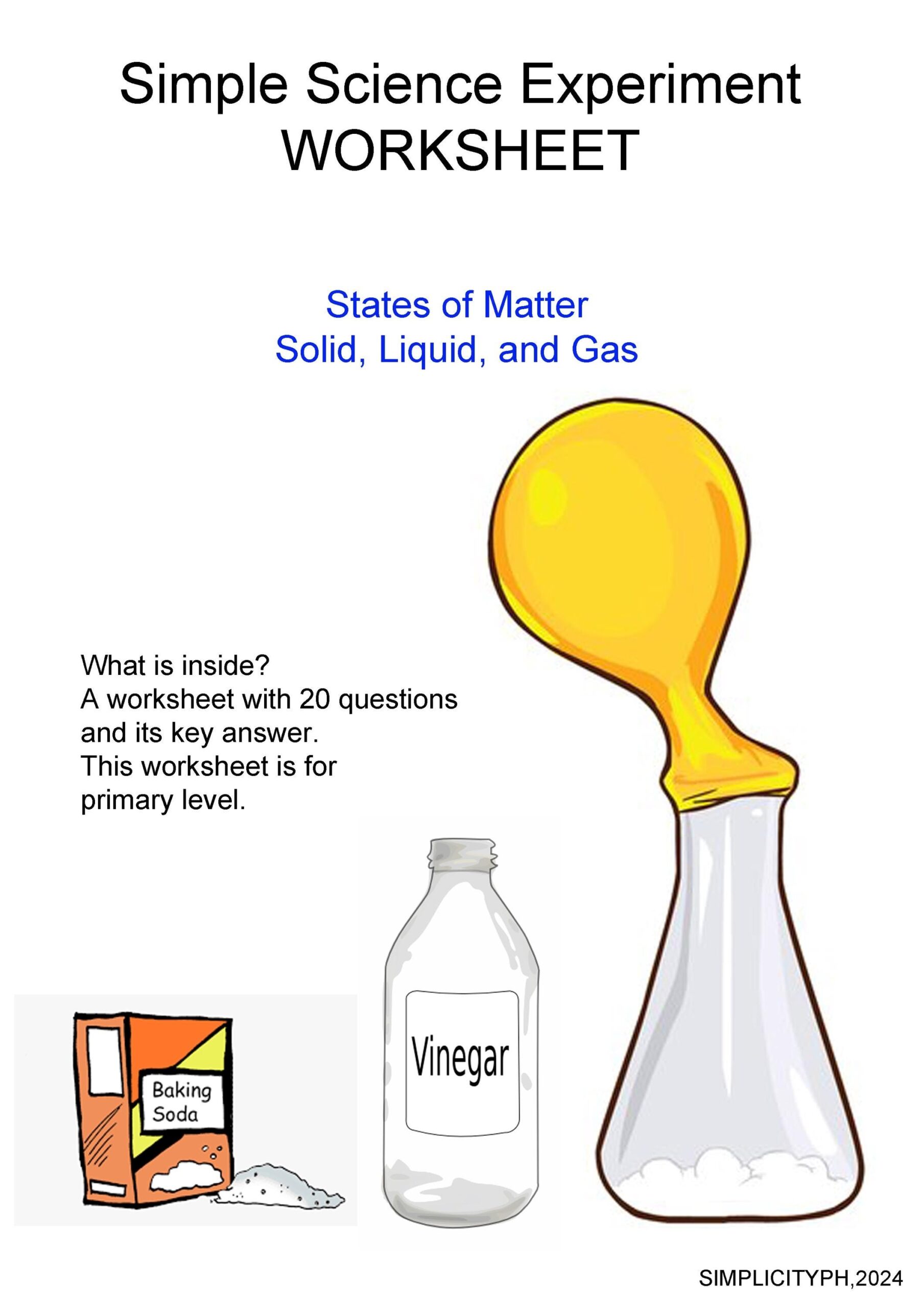
States Of Matter Science Experiment Worksheet Fun Easy Balloon Bottle Baking Soda And Vinegar Activity For Kids Etsy
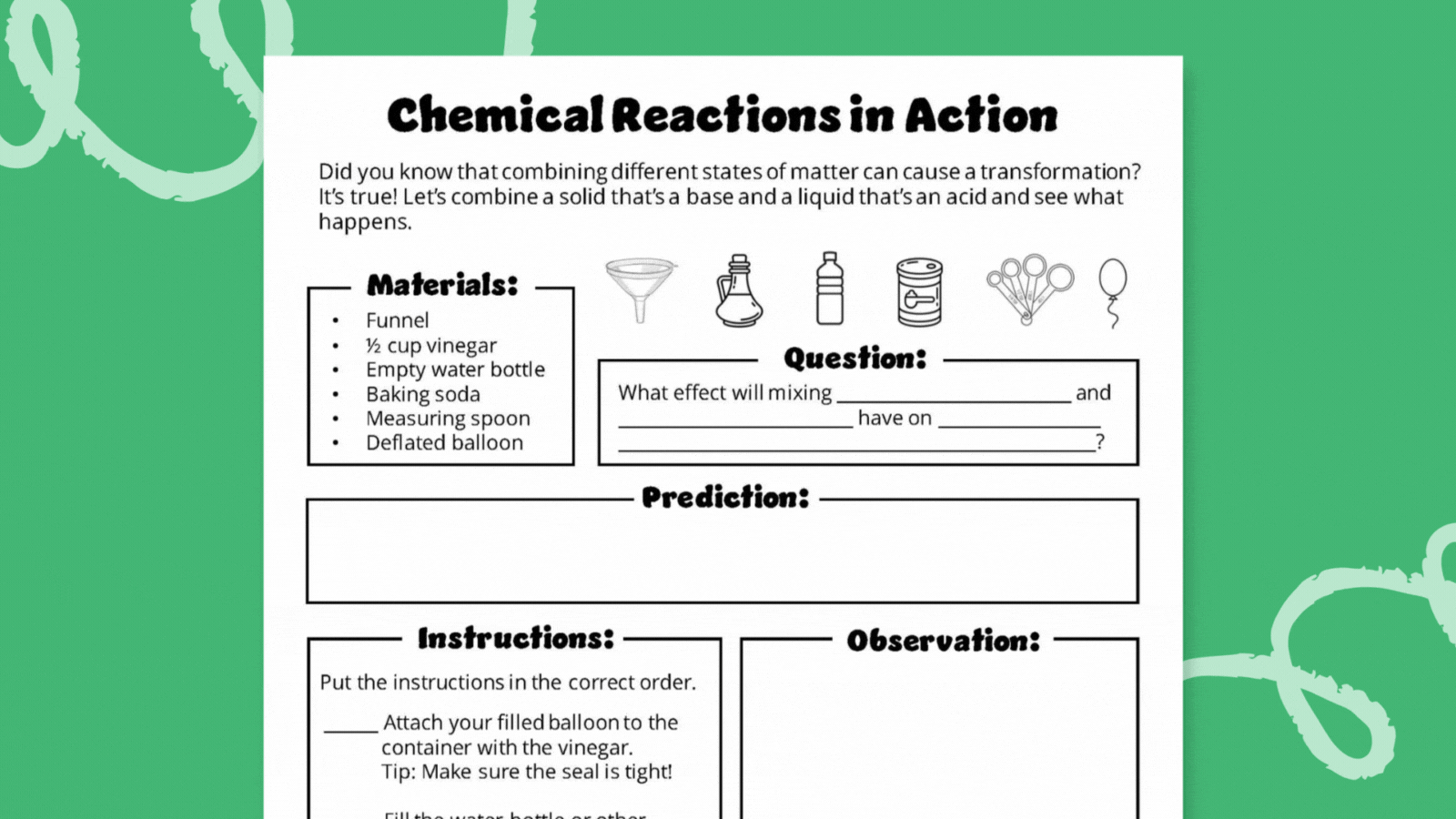
Baking Soda And Vinegar Balloon Experiment With Free Worksheet