Learning is an adventure that begins from a very young age, and one of the most fascinating aspects of language learning is the exploration of sounds. Onomatopoeia, alliteration, and rhyme are fundamental concepts that not only make language more engaging but also play a crucial role in developing phonological awareness and language skills in children. The use of onomatopoeia, which are words that imitate the sounds they describe, such as ‘buzz’ or ‘meow’, helps children connect the auditory with the visual, enhancing their understanding and memory of words.
As children grow, their ability to recognize and reproduce these sound effects becomes more sophisticated, laying the groundwork for more complex linguistic skills. Alliteration and rhyme, with their repetitive sound patterns, further enrich this learning process. Alliteration involves the repetition of initial consonant sounds in words that are close together, like ‘she sells seashells’, while rhyme involves the repetition of similar sounds in two or more words, usually at the end of a line in poetry or music. These literary devices make learning fun and interactive, which is why incorporating them into educational materials, such as worksheets, can be incredibly beneficial.
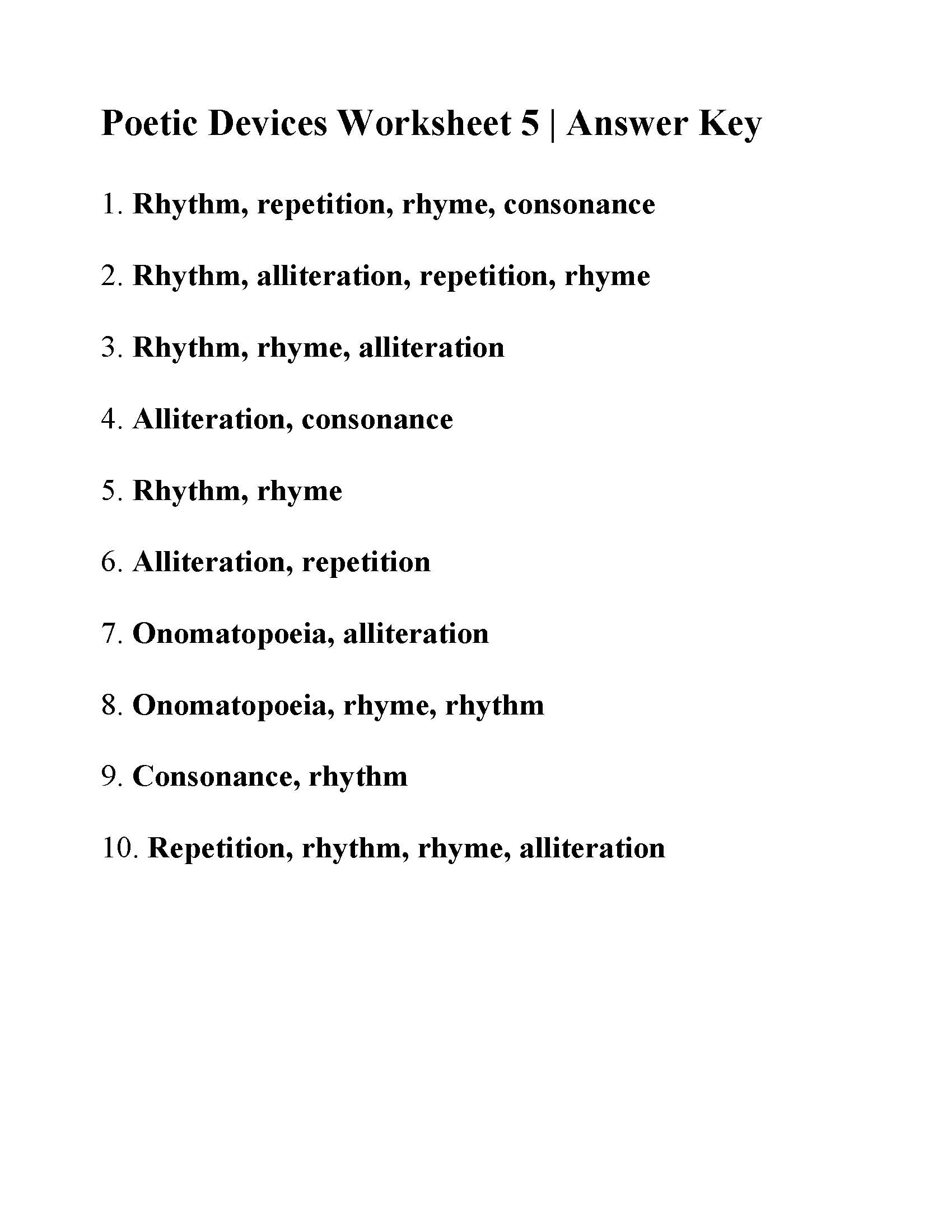
Poetic Devices Worksheet 5 Reading Activity
What is Onomatopoeia and Why is it Important?
Onomatopoeia, as a concept, is important because it introduces children to the idea that words can represent real-world sounds, making language more tangible and interesting. This understanding can help improve their vocabulary and ability to describe the world around them. Moreover, the use of onomatopoeia in storytelling and reading can enhance the sensory experience, making stories more vivid and memorable for young listeners.
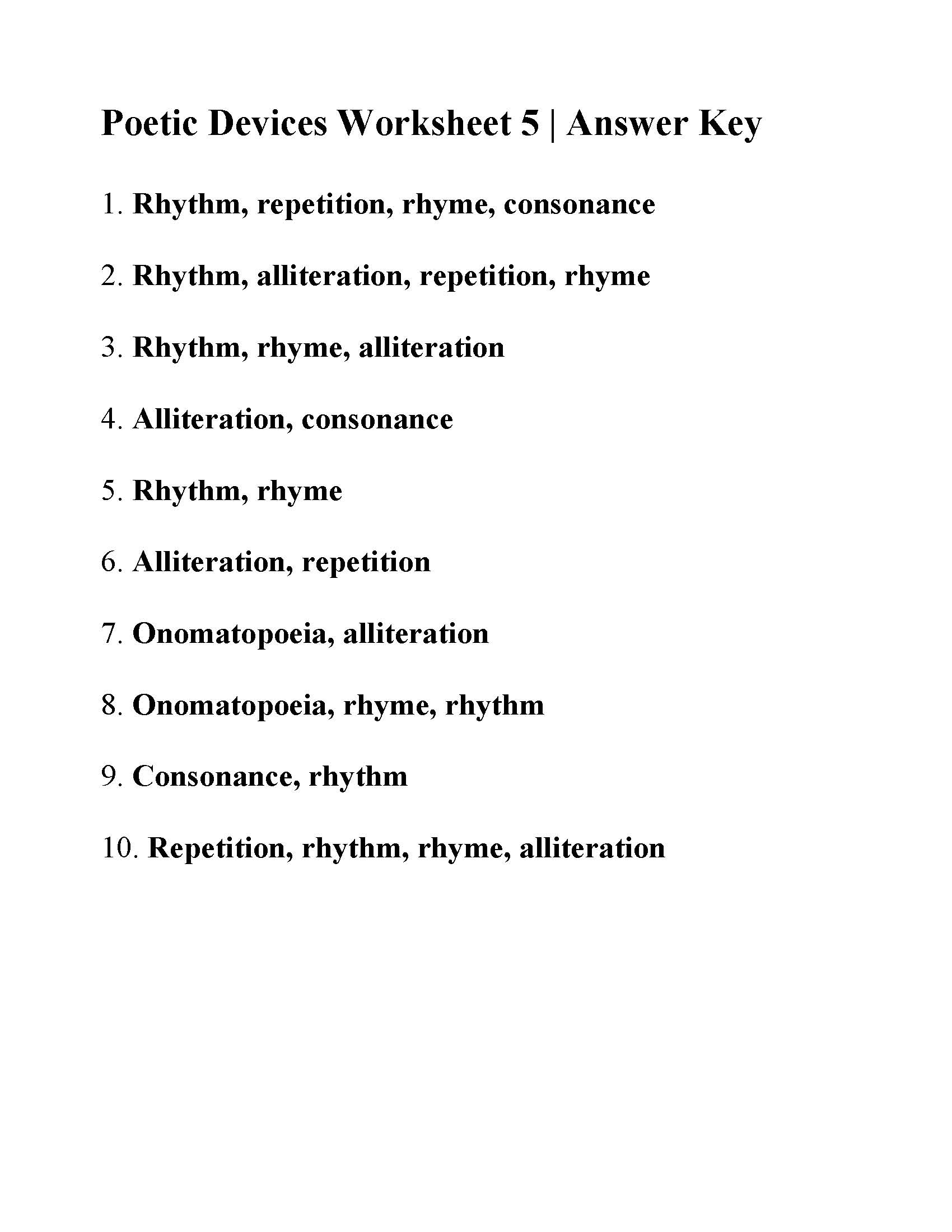
Poetic Devices Worksheet 5 Reading Activity
The Magic of Alliteration and Rhyme in Learning
The magic of alliteration and rhyme lies in their ability to create a musical quality to language, making it more enjoyable and easier to learn. These devices help children develop phonological awareness, which is the ability to hear and manipulate the sounds in words. This skill is crucial for reading and spelling, as it allows children to sound out words and understand the relationship between sounds and letters. By incorporating alliteration and rhyme into learning activities, educators can make the learning process more engaging and effective.
How to Use the Printable Worksheet for Effective Learning
Using a printable onomatopoeia alliteration and rhyme worksheet is an effective way to teach these concepts because it provides a structured yet fun approach to learning. These worksheets can include a variety of activities, such as matching games where children match words with their corresponding sounds, fill-in-the-blank exercises that require the use of alliteration or rhyme, and creative writing prompts that encourage children to use onomatopoeia in their stories. By making learning interactive, children are more likely to stay engaged and develop a deeper understanding of linguistic concepts.
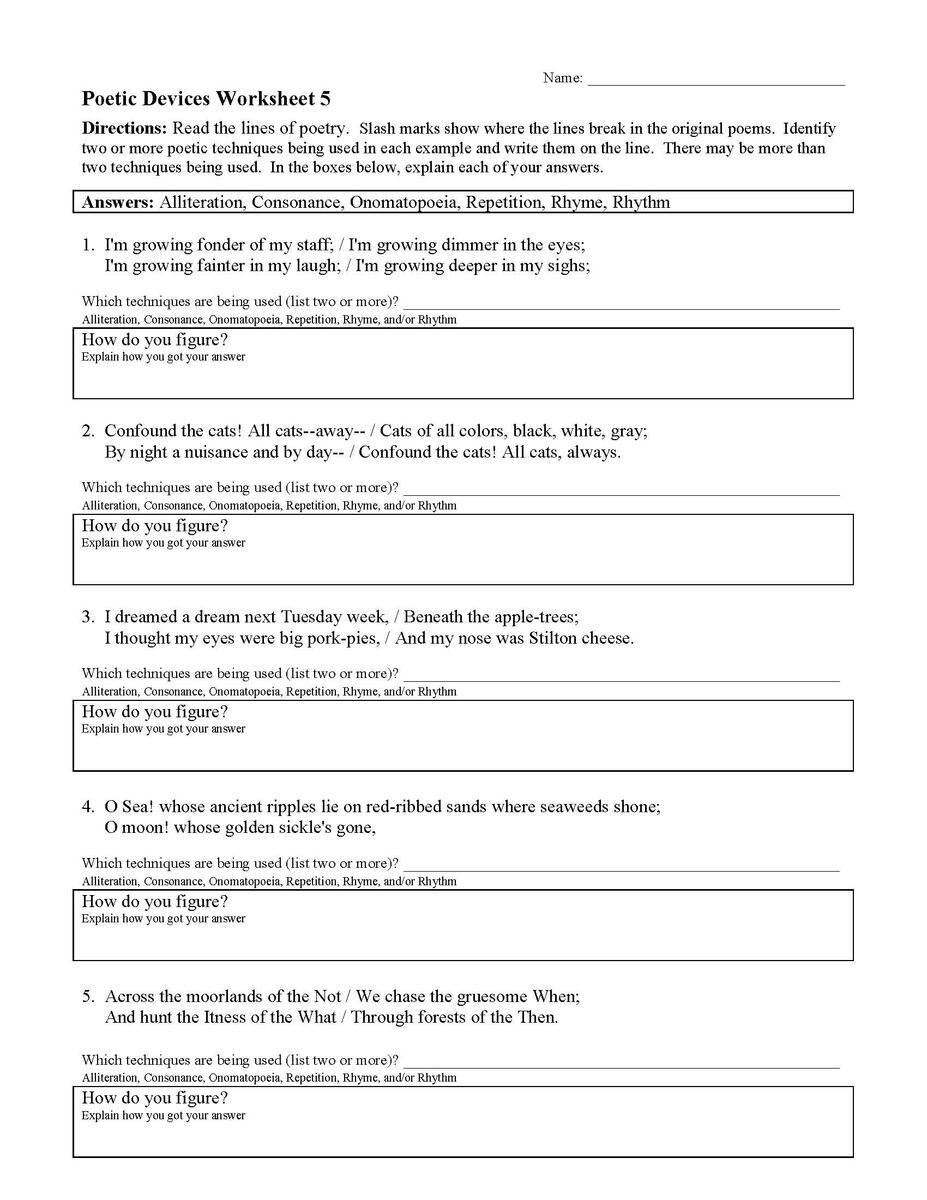
Poetic Devices Worksheet 5 Reading Activity
In conclusion, the printable onomatopoeia alliteration and rhyme worksheet is a valuable tool for educators and parents looking to make learning a fun and interactive experience. By leveraging the power of sound in language, these worksheets can help children develop essential language skills, foster a love for learning, and set them up for success in their future educational endeavors. Whether used in a classroom setting or at home, this resource has the potential to make a significant impact on how children learn and appreciate the nuances of language.
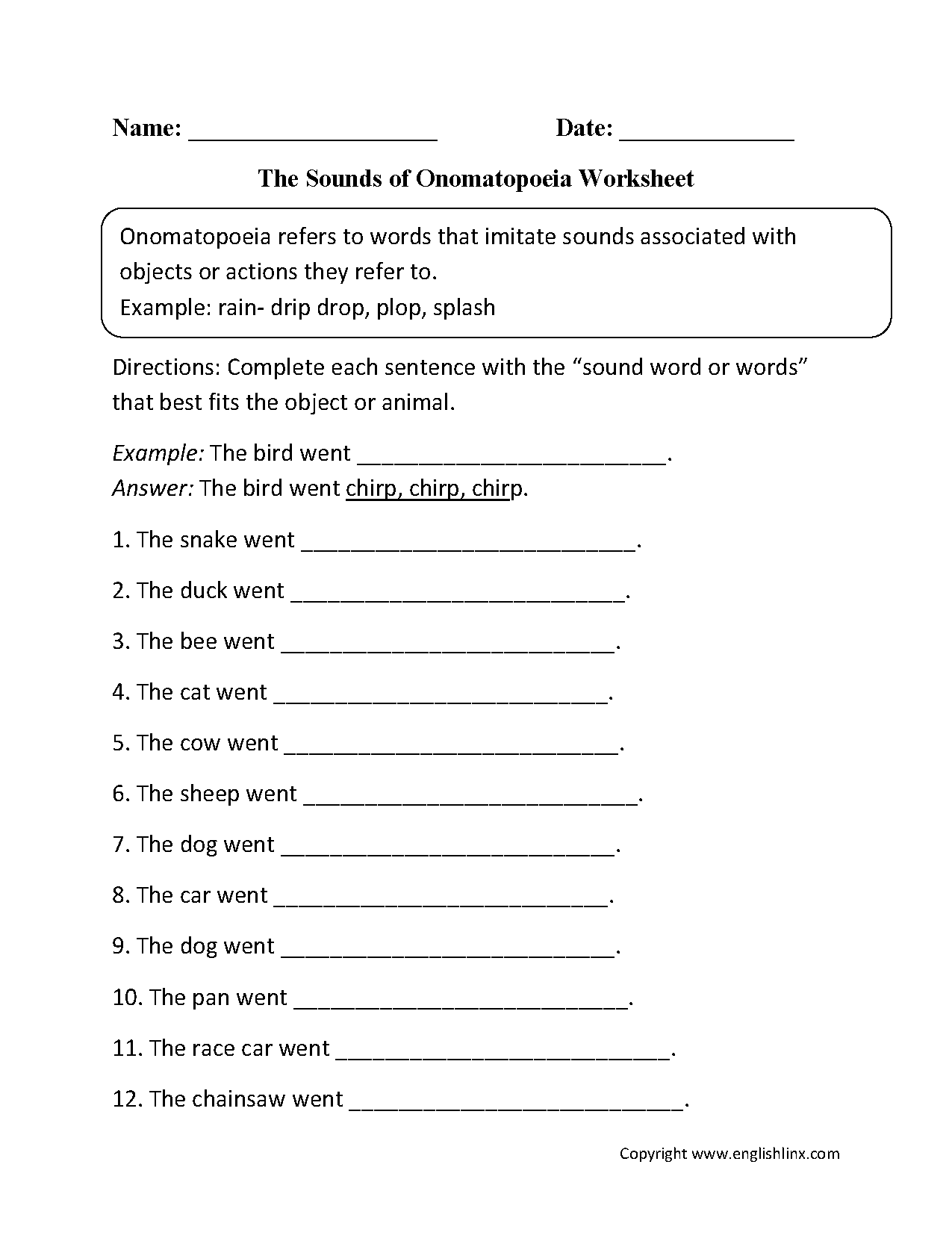
Englishlinx Onomatopoeia Worksheets
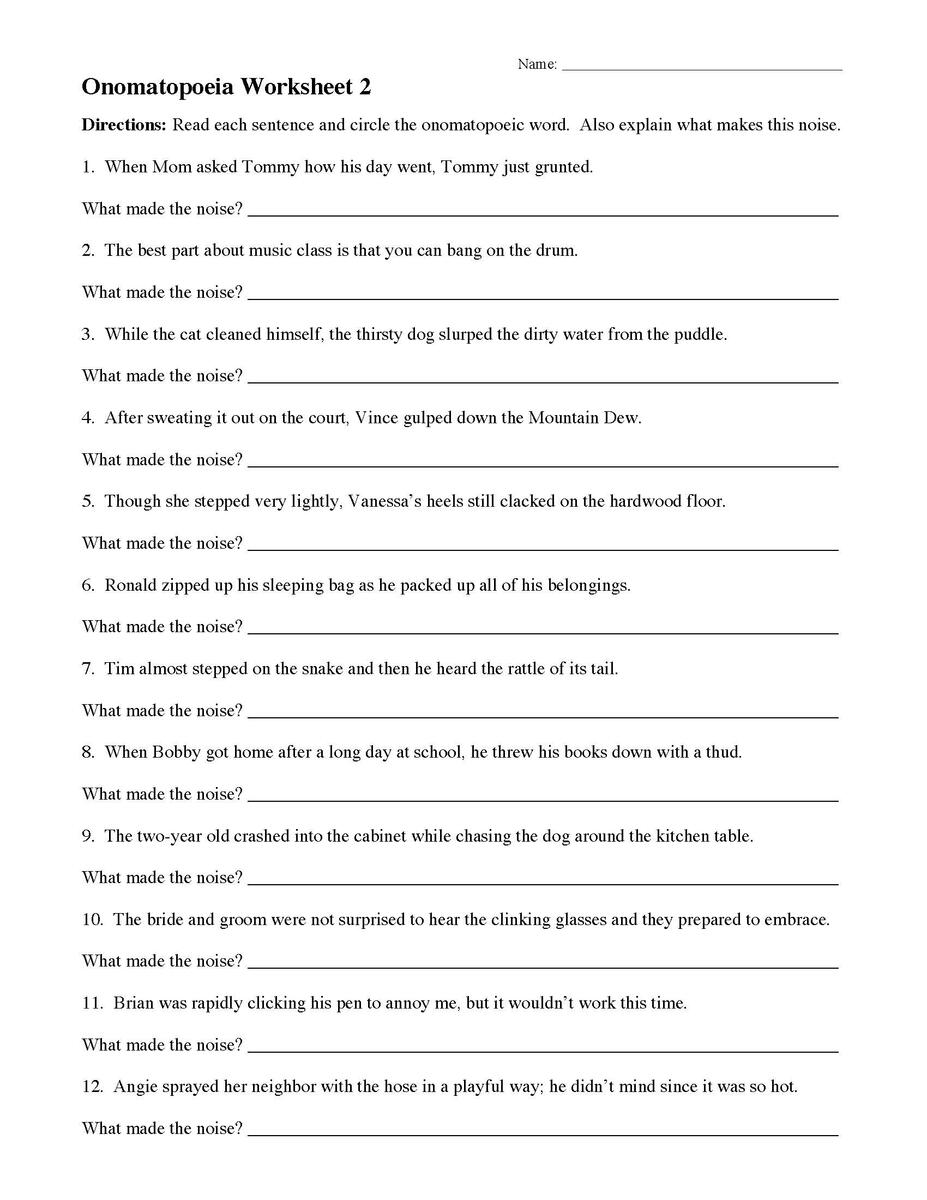
Onomatopoeia Worksheet 2 Poetic Devices Activity